Flower 101: How to Choose Your First Strain at Betcha Bud
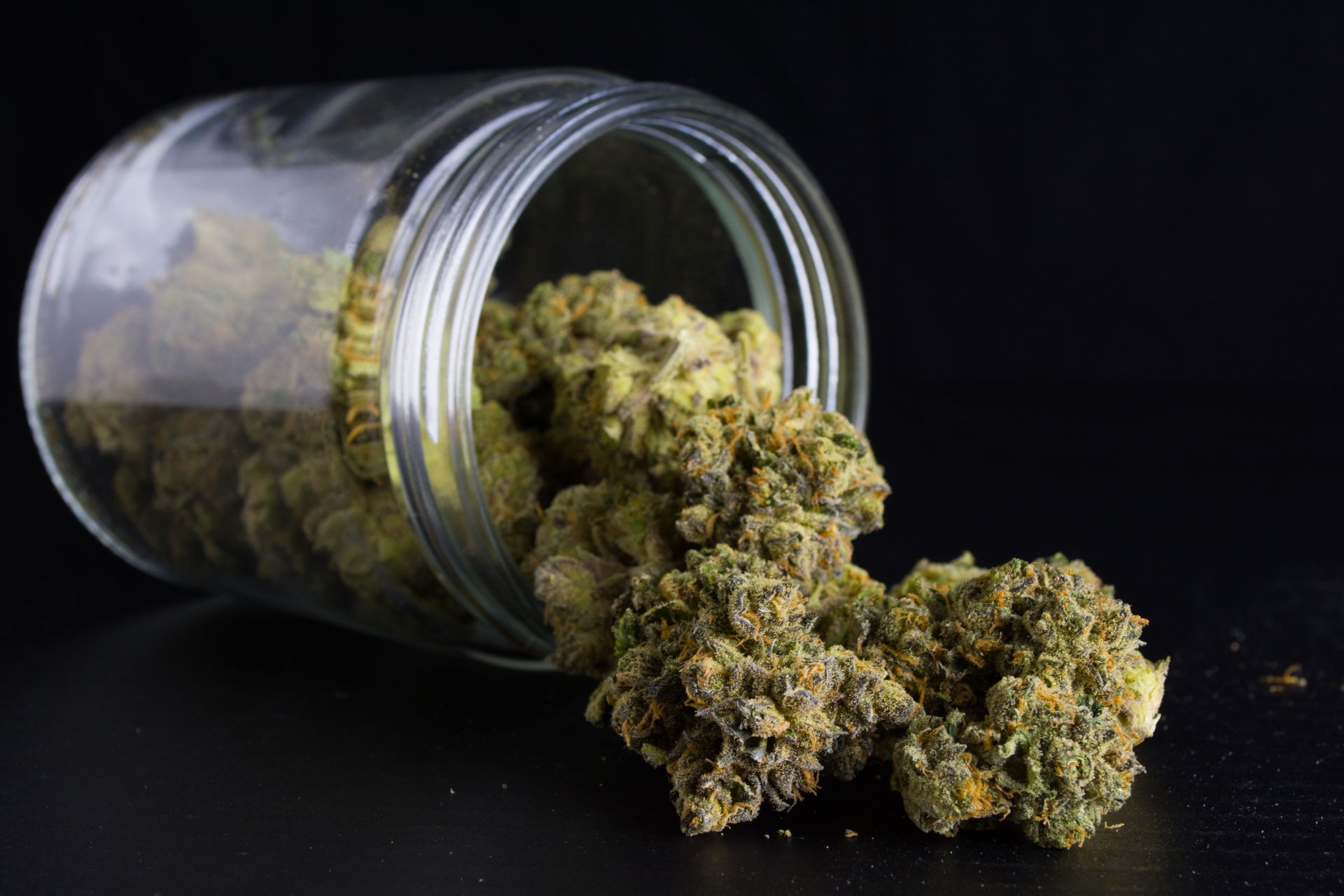
Stand in front of any dispensary's flower case for the first time and you'll see a wall of names — Blue Dream, Wedding Cake, Gelato, GSC — with percentages next to each one that may or may not mean what you think they mean. At Betcha Bud, we think picking a strain should be about how you want to feel, not about memorizing a menu of unfamiliar names. Here's how to actually do that.
Forget the Strain Name First, Start With the Effect
Strain names are fun, but they're not standardized — "Blue Dream" grown by one cultivator can taste and feel noticeably different from "Blue Dream" grown by another, because genetics drift and growing conditions vary. A more reliable approach for beginners and veterans alike is to start with the effect you're after, then let the name follow:
- Want to relax, unwind, or sleep? Look for flower described as calming, sedating, or "body-heavy."
- Want to stay social, creative, or active? Look for flower described as uplifting, energizing, or "head-focused."
- Want something balanced for daytime use without heavy sedation? Look for a hybrid with a moderate THC percentage and a more even effect profile.
Tell your budtender the effect you want in plain language — "something for after work that won't knock me out" or "something for a hike" — and they can point you toward options, regardless of what the strain is officially called.
What "Indica, Sativa, Hybrid" Actually Tells You (and Doesn't)
You'll see every strain labeled indica, sativa, or hybrid, and it's worth knowing what that label is actually based on. Originally, these terms described the plant's physical growth pattern — indica plants are short and bushy, sativa plants are tall and lanky — not necessarily its effects. Over decades of cross-breeding, the line between the two has blurred to the point where almost everything on a modern dispensary shelf is technically a hybrid of some kind.
That doesn't mean the labels are useless — they're a reasonable starting shorthand — but the more precise answer to "how will this make me feel" usually comes from two other factors: THC percentage and terpene profile.
THC Percentage: A Starting Point, Not the Whole Story
Higher THC percentage doesn't automatically mean "better" or even "stronger-feeling" — it's one input among several. A 28% THC flower with a terpene profile built for sedation and a 18% THC flower with an energizing terpene profile can produce very different experiences despite the percentage gap. For beginners, we usually recommend starting in a lower-to-moderate THC range (roughly 15–20%) regardless of strain name, just to get a feel for your own tolerance before working upward.
Terpenes: The Part Most Menus Don't Explain
Terpenes are the aromatic compounds responsible for a strain's smell and flavor — and increasingly, research suggests they play a real role in shaping how a strain feels, not just how it smells. A few terpenes worth knowing:
- Myrcene — earthy, musky; commonly associated with relaxing, sedating effects.
- Limonene — citrusy; commonly associated with uplifted, brighter mood effects.
- Pinene — piney; commonly associated with alertness and focus.
- Caryophyllene — peppery, spicy; the only terpene known to also interact with the body's cannabinoid receptors directly.
If a strain's packaging lists terpene content (ours do), that's often a more useful clue to the actual experience than the strain name or the THC number alone.
How to Read a Minnesota Flower Label
Every legal flower product sold in Minnesota is tested and labeled under state regulations, so you've got more real information available than the strain name suggests. On a typical label, look for:
- THC and CBD percentage — total cannabinoid content by weight.
- Terpene profile — if listed, the dominant aromatic compounds.
- Harvest or test date — fresher flower generally preserves more terpene content and a better experience.
- Cultivator name — once you find a strain and grower combination you like, that cultivator's other offerings are a good place to explore next.
A Few Ways to Narrow the Menu
If you're still staring at the case unsure where to start, try narrowing by:
- Occasion. Daytime/social vs. evening/winding-down calls for different profiles.
- Tolerance. New or infrequent users should lean toward lower THC percentages and smaller purchase amounts to start.
- Consumption method. Smoking and vaping flower both deliver fast-acting effects, so you'll feel results within minutes and can adjust from there — unlike edibles, where you're committed once you've taken a dose.
- Budtender recommendation. Genuinely the fastest way to shortcut the research — tell our team your last good (or bad) experience with a specific strain, and we can use that as a reference point for something similar.
Our Flower Selection at Betcha Bud
We curate our flower menu across all three Minneapolis locations — Northeast, Uptown, and Southwest — with a mix of well-known crowd favorites and smaller-batch options from Minnesota cultivators, all lab-tested and compliant with state regulations. Availability shifts regularly as new harvests come in, so if you find something you love, it's worth grabbing extra or asking us when the next batch is expected.
Frequently Asked Questions
Does higher THC percentage mean a stronger high? Not necessarily. THC percentage is one factor, but terpene profile and your own tolerance play a significant role in how a strain actually feels. A lower-percentage strain with the right terpene profile can feel more potent than a higher-percentage one.
What's the real difference between indica and sativa? Historically the terms described plant growth structure, not guaranteed effects. Most modern strains are hybrids, so THC percentage and terpene profile are generally more reliable indicators of effect than the indica/sativa label alone.
What terpene should I look for if I want to relax? Myrcene is commonly associated with relaxing, sedating effects and is a reasonable starting point if winding down is your goal.
What THC percentage should a beginner start with? Roughly 15–20% is a reasonable starting range for new or infrequent users, though starting amount and consumption method matter as much as percentage.
How fresh is the flower at Betcha Bud? Our flower selection rotates regularly across all three Minneapolis locations as new harvests arrive, and every product carries state-required testing and harvest/test date information on its label.
Can a budtender help me pick a strain in person? Yes — that's a core part of what our team does. Describe the effect you're after or a strain you've liked before, and we'll help narrow down the menu to a few solid options.
Shop by Category
Recommended For You
Additional Recent Posts